The National Transportation Safety Board Tuesday said two separate electrical blackouts led to a loss of control of the massive cargo ship that slammed into a support of the Francis Scott Key Bridge in Baltimore causing it to collapse in March of last year.
Six construction workers making repairs to the bridge at the time died. The bridge collapse closed the Baltimore Harbor to shipping traffic for several months and caused commuters and truck traffic to find alternative routes they still follow.
The NTSB's findings come a day after the Maryland Transportation Authority increased how much it will cost to rebuild the bridge, and extended the timeline to complete the work.
In a news release Monday, the MDTA said its new estimate to rebuild the bridge is between $4.3 and $5.2 billion. A previous estimate put the cost of the new bridge at $1.9 billion. The MDTA also estimated it will take until late 2030 for the rebuilt bridge to be ready for traffic.
In a live stream meeting Tuesday, the NTSB said the crew of the Dali was able to regain control of the 984-foot-long cargo ship after the first blackout, but lost it when a second power failure occurred.
The Dali was leaving Baltimore Harbor bound for Sri Lanka at about 1:30 a.m. March 26, 2024 when its steering failed because of the power loss. The ship crashed into a supporting column of the bridge causing it to collapse into the Patapsco River.
The normally busy harbor was closed to shipping traffic for several months as the Army Corps of Engineers oversaw the recovery of the bodies of the six construction workers, and the removal of the wreckage. The channel into the harbor had to be dredged to accommodate ship traffic.
The bridge collapse caused problems for numerous shippers, but especially for some automakers. Baltimore Harbor has long been a primary destination of so called "roll on, roll off" ships carrying automobiles. Baltimore is also is a major port for shipping coal.
The NTSB also said the MDTA should have addressed the bridge's vulnerability to ship strikes. It used the Key bridge as an example of what could happen to numerous other similarly built bridges.



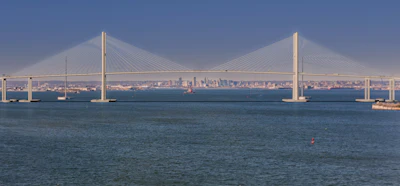
The new bridge will have two 12-foot lanes in each direction, 10-foot-wide outside shoulders and 4-foot-wide inside shoulders in each direction.. On Feb. 4, the MDTA unveiled a preliminary design for a cable-stayed bridge, Maryland's first.