A guideline on driver English language proficiency is on its way to becoming an actual rule. One of the trucking industry's leading driver advocacy organizations has weighed in on the matter.
It was announced Friday that the Federal Motor Carrier Safety Administration is moving to codify guidelines that enforce English language proficiency (ELP) requirements for commercial motor vehicle drivers into a new rule.
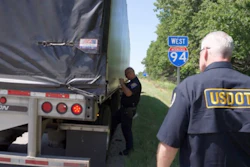
Under the new standard, CMV drivers unable to sufficiently read or speak English or understand highway traffic signs and signals will be placed out-of-service. The federal government's crackdown on drivers has already removed more than 26,000 drivers for failing ELP tests, according to a statement from the Department of Transportation.
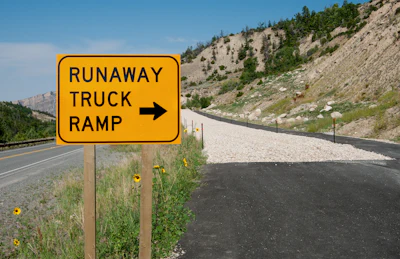
“When a driver can't read a 'Steep Grade,' 'Runaway Truck Ramp,' or 'Do Not Enter' sign, people die," said FMCSA Administrator Derek Barrs. "This rulemaking codifies commonsense safety into law. Since reinvigorating strict ELP checks, we have already pulled over 26,000 unqualified drivers off the road. This rule ensures that roadside inspectors will always have the full force of federal regulation behind them to issue immediate out-of-service orders whenever an unqualified driver is detected."
Federal regulations on English proficiency standards have existed for commercial drivers since 1937. However, a 2016 policy prohibited inspectors from placing drivers out-of-service solely for failing English proficiency evaluations. Instead, non-compliant drivers were merely issued minor administrative citations and allowed to keep driving.
The Department of Transportation first reinstated this rule in April 2025.
The proposed rule establishes a unified standard to ensure every state applies the same out-of-service requirement.
The Notice of Proposed Rulemaking was published in the Federal Register, opening a public comment period prior to final implementation.
Here's what Todd Spencer, president, of the Owner Operator Independent Drivers Association had to say:



“Nobody cares more about road safety than professional truck drivers, and it is common sense that anyone operating an 80,000 pound vehicle must be able to read critical road signs, follow emergency instructions, and communicate with law enforcement and first responders. That’s why OOIDA petitioned the Commercial Vehicle Safety Aliance to restore English language proficiency violations back in the Out-of-Service Criteria.
"OOIDA has also applauded legislative efforts such as Dalilah’s Law to ensure drivers who do not understand English cannot get behind the wheel. We strongly support USDOT’s proposed rule to strengthen long standing English language proficiency requirements for commercial drivers. We appreciate that Secretary Duffy and FMCSA Administrator Barrs are taking this requirement seriously and improving safety for all motorists.”